Many households ask: “Will leaving the gas alarm plugged in all the time run up a big electricity bill?” The short answer is no—and the perceived saving is an illusion that could cost far more than a few cents.
Your gas alarm is an ultra-low-power device
A typical plug-in residential gas detector consumes less than 1 watt in standby mode; lithium-battery models draw even less. Most home alarms operate between 0.5 W and 3 W. Let’s do the math for a 1 W unit running 24 hours a day, year-round. Daily consumption is just 0.024 kWh, adding up to about 8.76 kWh per year. At an average residential electricity rate, that’s roughly the equivalent of loose change—barely a few dollars annually. To put that in perspective, a single nightlight or a router on standby consumes considerably more electricity than your gas alarm. The tiny amount you’d save by unplugging it is virtually meaningless.
Frequent unplugging damages the detector
Every time you reconnect the power, the sensor goes through a warm-up and calibration cycle. Repeated power cycling accelerates wear on sensitive components and shortens the device’s lifespan. When the alarm eventually fails, you’ll face replacement and service costs that dwarf any pennies saved on electricity.
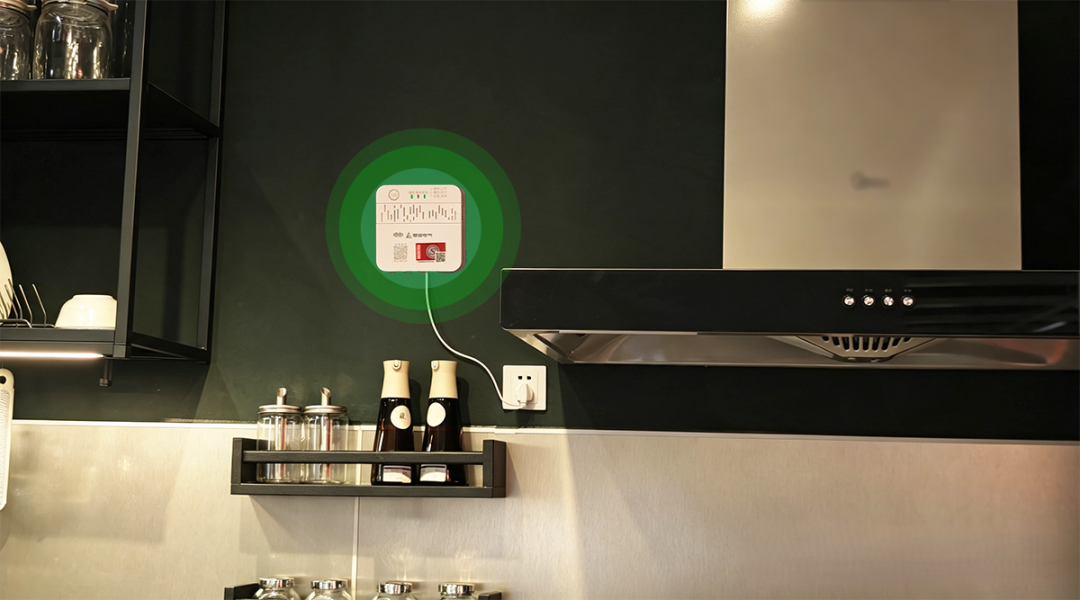
Safety vs. “saving”: When unplugged, protection vanishes
A home gas alarm continuously monitors the air for dangerous gas accumulations. The moment a leak reaches a hazardous level, it emits a loud audible and visual alarm, giving you those critical seconds to open windows and shut off the gas valve. If equipped with a shut-off solenoid valve or a smart connectivity module, the device can automatically cut the gas supply and send alerts to your phone. Unplugging the alarm disables all of these functions—instantly and completely. A gas leak can then build up in silence, exposing your family to the risk of explosion, fire, or carbon monoxide poisoning. Moreover, tampering with or disabling a required safety device can expose homeowners to legal and financial liability if an accident occurs.
Wrong placement is as bad as no power
Even with the power on, a poorly positioned alarm may fail to warn you in time. The installation height depends on the type of gas you use. Natural gas (mostly methane) is lighter than air, so the detector should be mounted 0.3–0.6 meters below the ceiling. LPG (liquefied petroleum gas) is heavier than air, so the detector belongs 0.3–0.6 meters above the floor. Keep the alarm 2–4 meters horizontally from stoves and gas pipes—close enough to catch a leak, but not so close that cooking fumes foul the sensor. Never install a gas alarm directly above a range hood, in an air-conditioner draft, inside a closed cabinet, or at a strong ventilation opening.
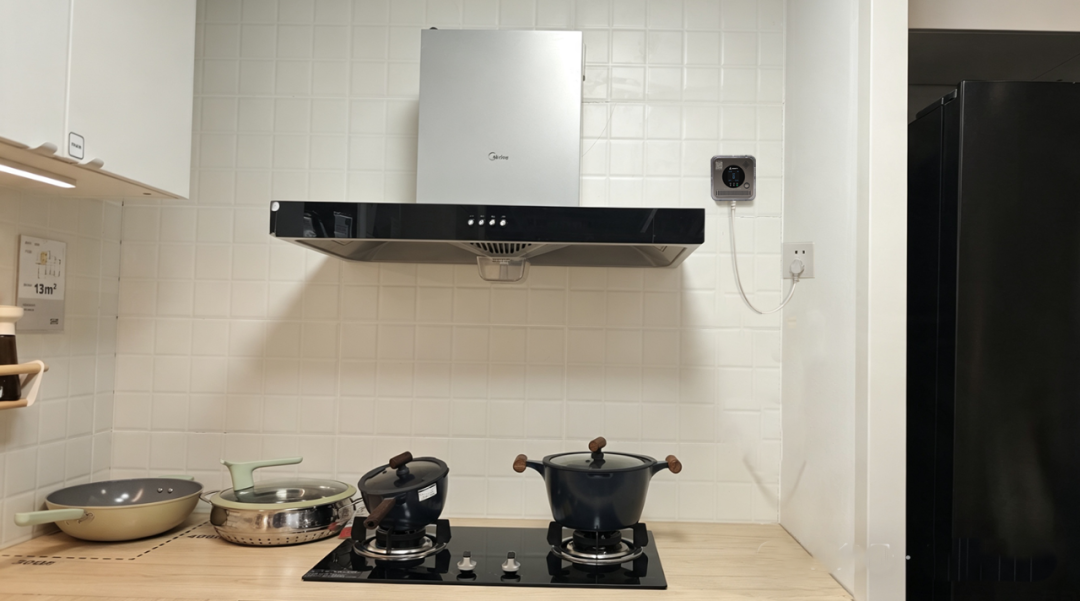
Simple maintenance beats unplugging
You don’t need to cut the power to keep your alarm in good condition. Test the device monthly using the built-in test button. Every six months, gently clean the sensor inlet with a soft brush or a slightly damp cloth—never use alcohol or detergents. Ventilate the kitchen during cooking to reduce grease buildup, and keep the alarm away from paints, aerosols, and strong chemicals. Replace the unit when it reaches the end of its rated service life: 5 years for a conventional sensor, or up to 10 years for a laser-based model. If a fault light appears, contact after-sales support; do not simply unplug the alarm and assume the problem is solved.
A low-power, high-reliability choice from CCEsafety
If you’re looking for a home gas alarm that combines low energy use, high accuracy, and long service life, CCEsafety’s range of domestic combustible gas detectors is designed specifically for household kitchens. Our detectors feature low-power sensor modules that keep annual electricity costs trivial. Models in the JT-HD3030, JT-HD3050, and JT-HD3060 series use TDLAS laser methane sensing technology, which resists interference from cooking fumes and humidity, drastically reducing false alarms. These laser sensors are also immune to poisoning and last up to 10 years—double the life of conventional detectors. For added protection, the alarms can link to a gas shut-off valve or a mechanical arm to automatically cut off the gas supply when a leak is detected. Bluetooth and 4G-connected versions push real-time alerts to your smartphone via app, SMS, or phone call, even when you’re away. All models are CCC-certified and comply with the latest national standards, ensuring acceptance by fire safety and gas inspections. With multiple configurations—basic audible-visual alarm models, valve-linkage models, and IoT remote-monitoring models—CCEsafety has a solution for every home, from apartments to self-built houses.
A few cents of electricity can never outweigh your family’s safety. An alarm that sits silently for months is not doing nothing; it is standing guard, day and night, ready to act in the one moment that matters. Don’t dismantle your safety net over a penny’s worth of power.